
Reviewed · VALENCIA BIKE TOURS
Valencia: Top 25 Highlights Guided Bike Tour
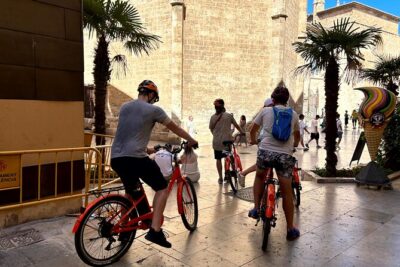
Valencia is one of the rare big European cities where biking feels easy and the highlights are close together. This guided loop is a fast, low-stress way to go from historic streets to modern masterpieces without burning time on transfers or parking.
I like the smart mix of neighborhoods, where you get Russafa and the medieval center, then ride into the futuristic City of Arts and Sciences. I also like the human pace of the tour, with guides such as Daria, Jorge, Liliana, and Martin who stop often enough for photos and explanations, not just fast pass-throughs.
One thing to consider: it is a guided bike ride with turns and getting on and off the bikes at stops, so even though the route is mostly flat, you should feel comfortable riding in busy pedestrian areas.
Key things that make this Valencia bike tour worth your time
- Old Town to modern Valencia in one ride, so you get the full “where do I go next?” map in under 3 hours
- Mostly flat riding, which makes regular bikes and e-bikes both feel practical for many people
- Short, well-placed stops, including Valencia Cathedral area, Torres dels Serrans, and Turia Garden
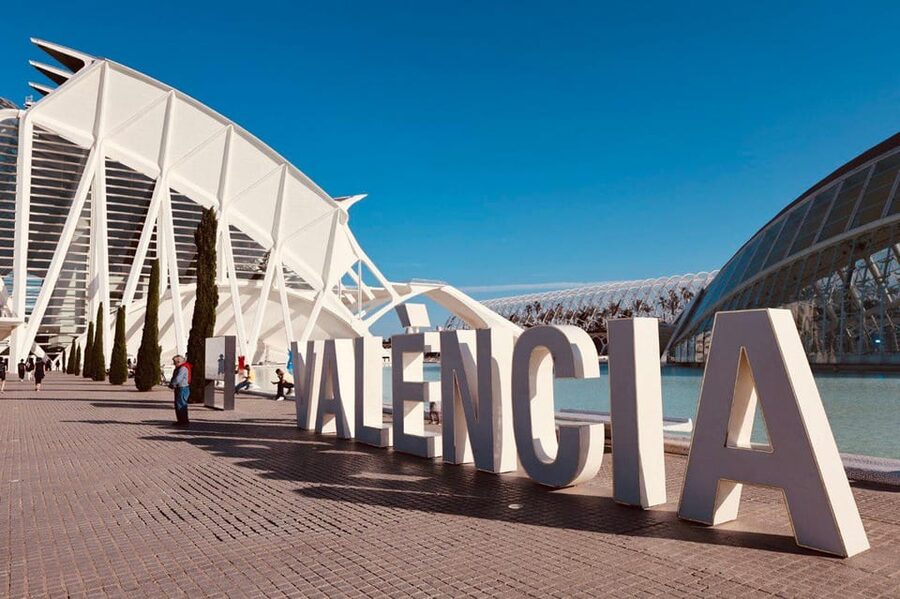
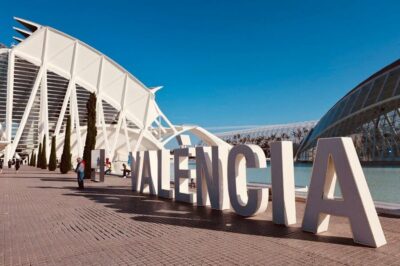
- City of Arts and Sciences sights in a single sweep, from Hémisfèric to L’Àgora
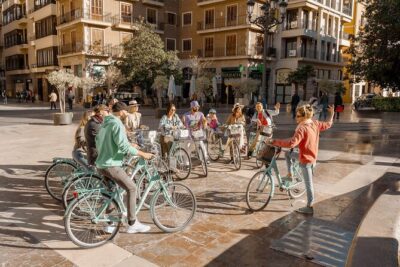
- Small group size (up to 14), which helps the ride stay organized and easier to follow
- English-guided, with the chance to get local tips from guides like Shakti, Steven, Victor, and Luis
Why Valencia by bike is such a smart “day-start” move
A guided bike tour works best when the city is compact and the route naturally strings together the big landmarks. Valencia fits that bill. You start in the older urban fabric, then the ride transitions into the riverbed park and the futuristic City of Arts and Sciences. In a single afternoon, you see the places that most first-time visitors end up circling for hours later.
And because you are moving, the tour gives you a clearer sense of distance and direction than a walking-only tour. You finish with a mental shortcut list, meaning you can go back the next day to the spots you want to linger at.
If you are traveling on a tight schedule, that is real value. A 2.5-hour highlights ride can turn into 2 or 3 days of targeted wandering, instead of random hopping between far-flung areas.
More bike tours in Valencia:
- Valencia: City Highlights Guided Bike Tour
★ 4.7 · 2,373 reviews - Valencia Bike Tour from the City to the Beach, plus Bike Guy App!
★ 5.0 · 1,187 reviews - Valencia Bike Tour
★ 4.6 · 826 reviews
Price and value for a 2.5-hour highlights loop
This tour costs $32.67 per person for about 2 hours 30 minutes. That price feels fair when you compare it to the cost of tickets plus transport if you were doing the route yourself.
You are not paying only for the bikes. You are paying for:
- a route that links Old Town landmarks with the big “wow” modern zone
- a guide who points out what matters and where to spend more time later
- small photo stops that keep you from losing the day to traffic and parking
The one pricing wrinkle is entrances. Some stops are listed as free, while others require separate ticketing if you want to enter. The tour is designed for viewing and short stops, so even when entry is free on paper, you should not plan on a deep, inside visit at every stop.
If your goal is to see a lot and decide what to revisit, this setup is excellent.
Bikes, pace, and how to pick the right ride for you
Valencia’s layout helps a lot: the ride is described as very flat, which keeps energy use reasonable. That means you can enjoy the sights without arriving at the end soaked in sweat.
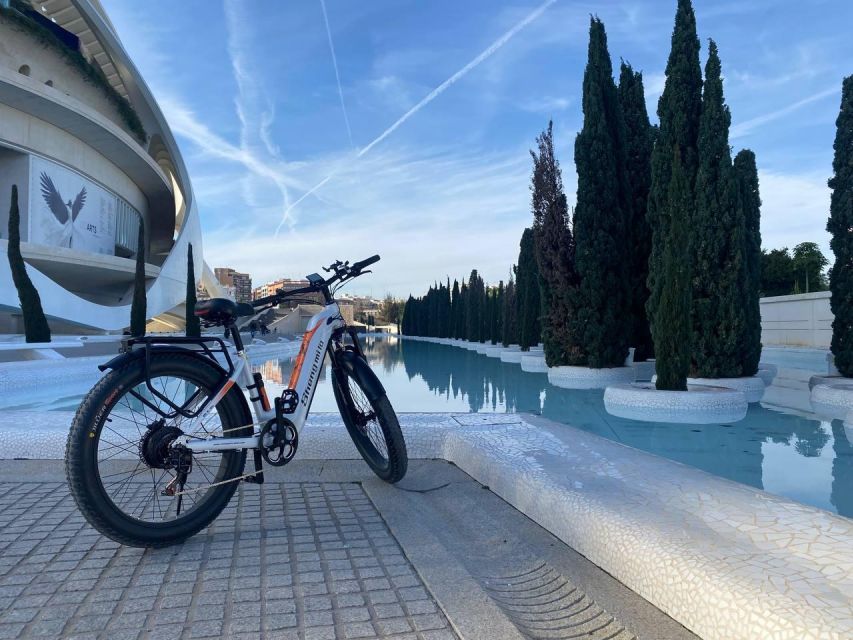
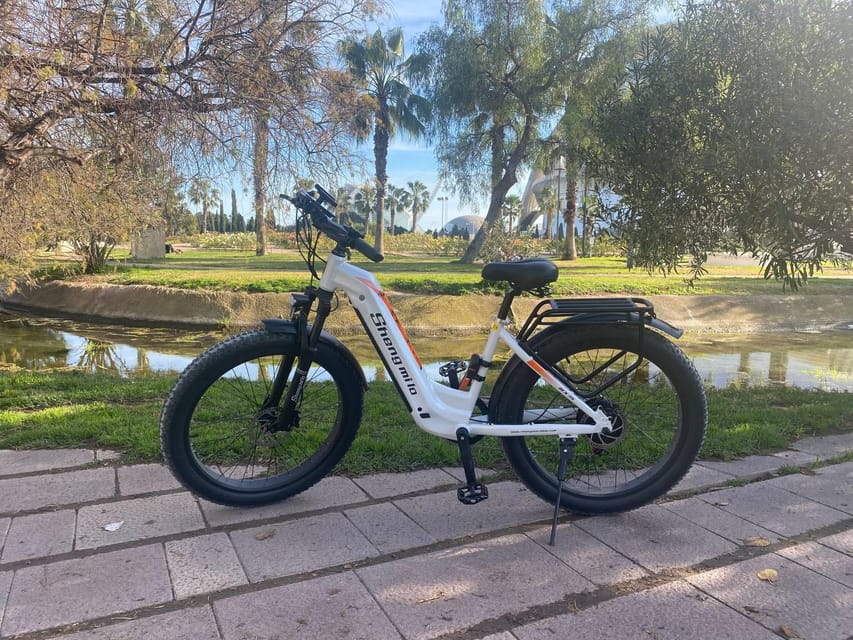
You also have a choice in bikes. Many guests ride regular bikes, and e-bikes are available as an option. In practice, the experience can feel slightly different depending on what kind of bike you get:
- Regular bikes feel closer to a traditional city ride, but you may notice traffic and stop-start moments more.
- E-bikes help a lot with comfort and timing, especially if you do not ride often.
One practical note from real experiences: mixed groups can make it a little harder to keep a consistent pace if you are on a different bike type than the people around you. If you want things calm and predictable, choose the bike you feel most confident controlling.
Finally, expect that stops will involve slowing down, parking near points of interest, and hopping on and off. It is part of how the tour keeps you close to the sights, not a flaw. Just wear shoes that handle quick transitions.
The early ride through Russafa and toward Estació del Nord
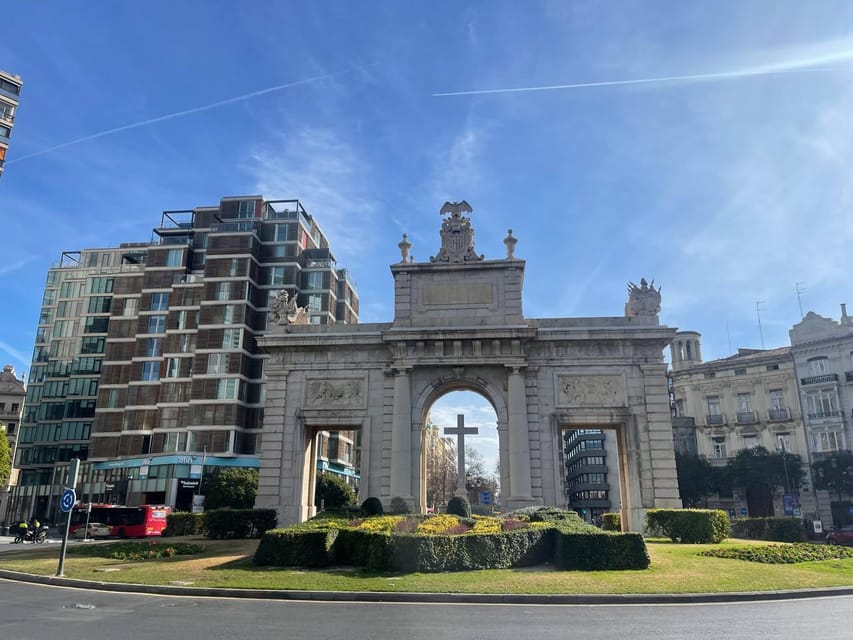
The tour starts around C. de Puerto Rico, 23 (L’Eixample) and then quickly moves you into a different Valencia flavor. The first real neighborhood introduction is Russafa, known for culture, gastronomy, and nightlife. Even with short stop time, it helps you understand where locals actually hang out, not just where the postcards are.
Next comes Estació del Nord, the modernist station opened in 1917, designed by Demetrio Ribes. Look for the bright tilework and floral motifs that point to Valencian identity. This is one of those stops where the building itself does the storytelling, so you do not need long ticket lines to appreciate it.
This section is also a good “warm-up” for the ride. You get moving, learn the group rhythm, and then settle into the tour’s stop-and-say-what-to-look-for style.
Other Valencia outings to weigh up
- From Valencia: Montanejos Guided Hike with Natural Pools
★ 4.5 · 1,741 reviews - From Valencia: Caves of San José Guided Excursion and Ticket
★ 4.6 · 1,717 reviews - San Jose Caves Guided Tour from Valencia
★ 4.5 · 732 reviews - Valencia: Top 25 Highlights Guided Bike Tour
★ 4.8 · 644 reviews
Plaça de l’Auntament, Plaza de Toro, and the city’s public-face landmarks
After the station, you transition toward major public squares. Plaça de l’Ajuntament is one of Valencia’s biggest squares, anchored by an impressive fountain and surrounded by architecture from the 19th and early 20th centuries. If you want a mental anchor for where the city’s center feels like a lived space, this is a useful stop.
Then there is Plaza de Toro, a neoclassical landmark. It is traditionally tied to bullfighting, but today it often hosts concerts and events. Entry is not included for this stop, so treat it as a landmark-view stop. Still, it is worth seeing because it adds variety to the architecture mix, not just another church façade.
A small strategy tip: when the guide gives the context for a square or building, listen for “what changed” and “what it used to be.” In Valencia, those contrasts show up everywhere, and it makes the rest of the tour snap into focus.
Mercado Central and La Lonja de la Seda, where Valencia’s power shows
Next you hit two of the most important cultural markers for the city’s past prosperity.
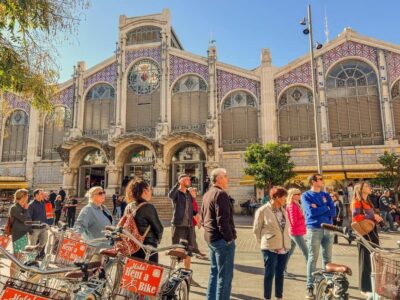
First is the Central Market of Valencia (Mercado de Central), a modernist masterpiece designed in 1914. You may be tempted to treat it like just a pretty hall, but even a brief stop helps you understand why people still call it a must-see. It is also a powerful place to spot the range of Valencian food culture, because it sits at the intersection of everyday life and architecture.
Then the route passes La Lonja de la Seda, the 15th-century silk exchange and UNESCO-listed Gothic site. This one is about medieval commerce and wealth. Entry is not included, so you are mostly there for close views and quick context unless you decide to come back with tickets later.
This is a good section to notice something about the tour design: it gives you the “why it matters” explanation even when you are not paying to go inside right now. That makes your future planning easier. If you know which building is tied to silk trade and which one is tied to a food market, you can prioritize your revisits.
Valencia Cathedral area and the squares around Plaça de la Mare de Déu
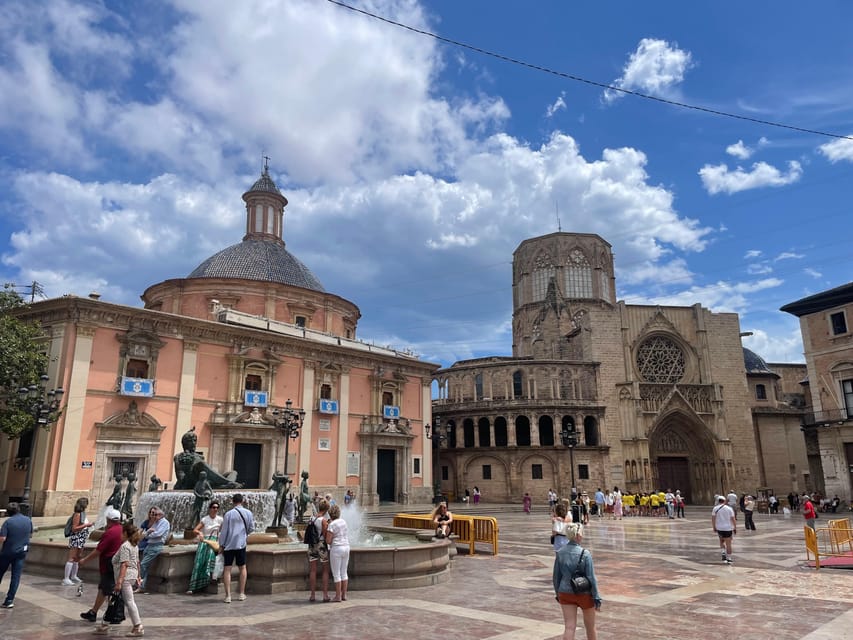
You then ride into the heart of the Old Town story. The route includes a stop near Valencia Cathedral, where you can see layers of architecture styles, from Gothic to Baroque and Renaissance. The background is especially interesting because the building started as a Roman temple and later became a mosque for a period. Inside, the Santo Caliz Chapel and the Holy Grail are major highlights, and the stop is listed as free.
You also stop at Plaça de la Mare de Déu, in the Old Town. The centerpiece is Fuente del Agua de la Acequia, a fountain that ties to the city’s water history. The location is also perfect for taking in the way older streets funnel people toward landmark buildings like the cathedral area.
Practical tip: this part is where you may want to slow down your photo-taking. The square-to-cathedral sightline is one of the best “Valencia looks like Valencia” moments. Give yourself time to frame shots without rushing.
Torres dels Serrans and the feeling of the old city wall
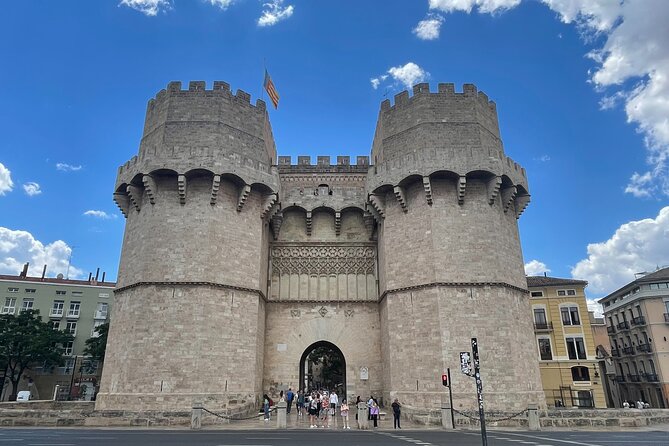
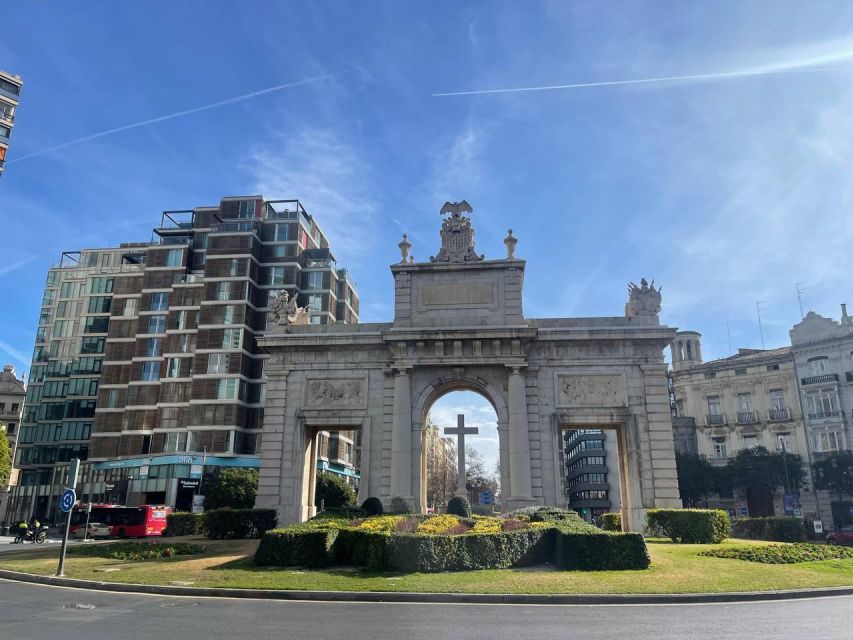
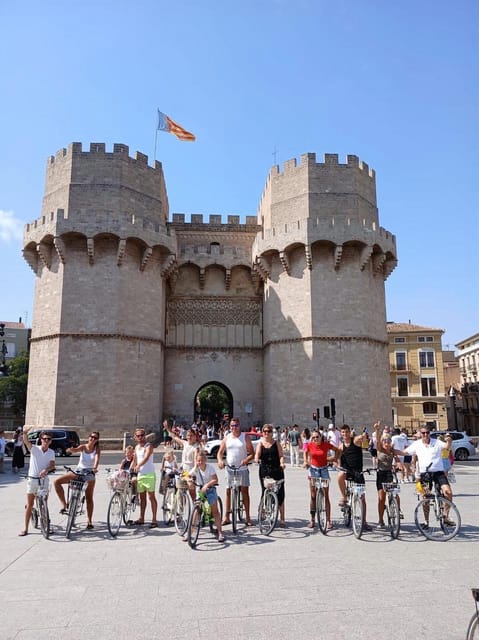
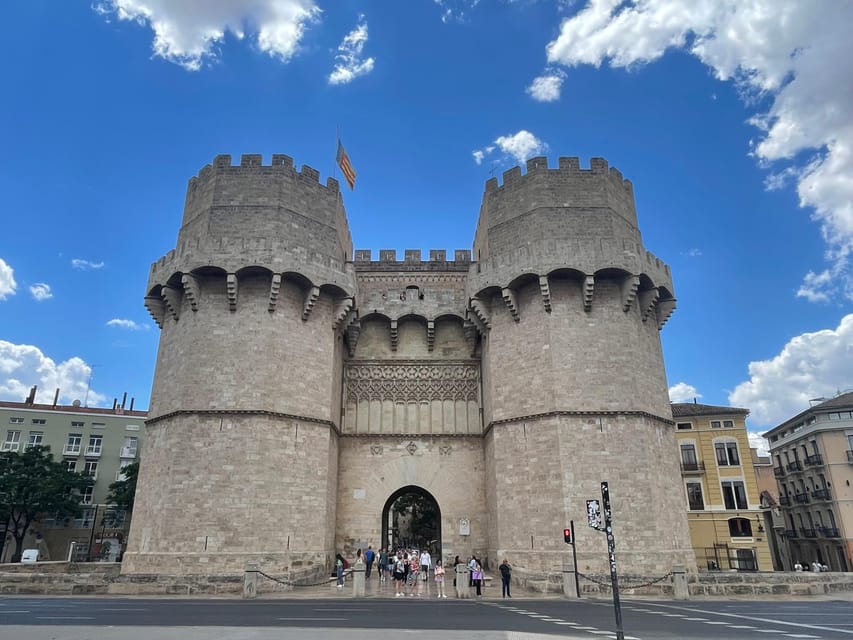
The tour then heads to Torres dels Serrans, one of the remaining city gates. Long ago, Valencia had 12 gates along its walls, and many were lost over time. The fact that Torres dels Serrans survives means you get a real physical reminder of how the city used to be protected.
This stop is listed as free, and it is also a strong reminder of the tour’s overall theme: you see the modern city, but the bike route keeps pointing you back to the older structure that still shapes Valencia today.
If you like city design and how cities evolve, this is one of those places that helps you connect the dots. It is not just a wall you look at. It is a clue about streets, neighborhoods, and how people moved.
Pedaling the Turia Garden and the Palau de la Música area
After the gate stop, the ride opens up into green space via Jardín del Turia. The Turia Garden runs about 9 kilometers through Valencia. This is the park built in the former riverbed after a devastating flood, when the city chose greenery over an urban highway.
Even with a quick stop, you feel why this area is so loved. It is one of the best examples of “planned change” in the city: a disaster led to a redesigned public space that now feels like a daily lifestyle channel.
Then you stop near Palau de la Música de Valencia, tied to the cultural energy of the area. The palace building finished in 1987 and is now the Valencian Concert Hall. Here, the architecture meets the arts, and you get a sense of how the modern city is still rooted in civic life.
If you end up revisiting anything later, Turia Garden is a smart candidate because it is not just an attraction. It is a place you can stroll for hours and still feel like you are seeing something new.
City of Arts and Sciences highlights, from Hémisfèric to L’Umbracle
Now comes the big transition: the futuristic zone of the City of Arts and Sciences. This is where the tour turns into a fast visual tour of modern landmarks.
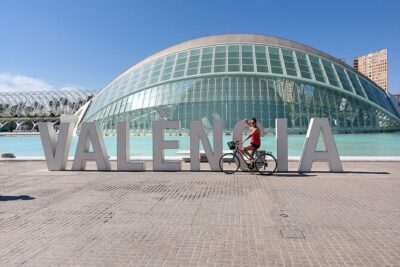
You first encounter Hémisfèric, often called the eye of knowledge, completed in 1998 and designed by Santiago Calatrava. It functions as an IMAX-style cinema, and ticketed entry costs from 6.70 euros. The tour stop is short, so think of it as a look, a photo, and a quick orientation to the complex.
Next is L’Umbracle Terraza, a sculpture garden with plant species that acts as the entrance area. Inside is a Walk of the Sculptures and an outdoor art-gallery feel. This stop is listed as free, so you can enjoy the ambiance without buying a ticket.
This zone works because it is a palate cleanser after the dense Old Town. Your eyes need time to reset. A bike ride does that better than a walking route, because the spacing between landmarks is larger.
Queen Sofía Palace and the opera-and-culture mood shift
Then you come to the Queen Sofía Palace of Arts, designed by Santiago Calatrava. The structure is intended to resemble a Roman helmet, and it opened in 2005. It functions as an opera house and performing arts center.
The tour stop is listed as free, which is helpful. Even if you do not go inside, the area around it gives you a clear sense of scale and the complex’s overall geometry. Valencia’s modern architecture is not subtle, and this tour is one of the few ways to see multiple key buildings without spending separate days.
If you are the type who likes architecture, this is one of the reasons the tour earns its keep. It is not random “modern stuff.” It is built around the most recognizable buildings you see on Valencia posters.
Oceanogràfic and the science buildings, plus L’Àgora’s glass-roof effect
Near the end, you hit the aquarium and science stop zone.
You pass Oceanogràfic, described as the largest aquarium in Europe, with over 45,000 animals from more than 500 species. Ticketed entry costs 25.75 euros. Because the tour stop is short, treat it as a scenic orientation. If dolphins and sea life are your priority, this is the spot you can return to with a full visit later.
You also see the Museo de las Ciencias Príncipe Felipe, an interactive science museum. Its whale-skeleton-like building and the interactive format make it popular, and tickets are listed from 6.90 euros. Again, the bike tour is not the whole ticketed museum experience. It helps you decide if it is a “go inside today” place for you.
Then you end in the L’Ágora area, a multifunctional covered space also designed by Santiago Calatrava. It has a glass roof along a spine and a large capacity. This stop is listed as free, so you can take in the architecture without extra cost.
If you are wondering how the tour ends up feeling overall, this last stretch is the clearest “modern Valencia theme.” You go from medieval walls to Calatrava’s spaces in a smooth arc.
What to know before you go, so it stays fun
A few small planning notes can make a big difference.
Bring the right expectations about entrances. Some stops are listed as free and some are not included, and the tour is built around short views rather than long museum sessions. If you want a deeper inside experience at places like Hémisfèric, Oceanogràfic, or the science museum, you will want separate tickets later.
Comfort matters for a bike tour. Even on a flat route, you will stop often and handle bike on-off moments. Wear comfortable shoes. If you are sensitive to crowds, remember that part of the route includes pedestrian areas.
And if you like a predictable experience, consider bringing your own water. One detailed experience noted that a promised water stop did not happen, so it is smart not to count on it.
Finally, if you are new to e-bikes, start with what feels easiest. Some people find e-bike riding simple, others need a bit more confidence. You can also choose a regular bike if that matches your comfort level.
Should you book the Valencia Top 25 Highlights Guided Bike Tour?
Book it if you want a 2.5-hour orientation to Valencia that covers both Old Town and the City of Arts and Sciences. This is a strong “Day 1” activity, especially if you want to decide what to revisit without guessing.
Skip it or switch plans if you want long, sit-down museum time at ticketed attractions. This tour is built for highlights and photos with quick context, not full entry-and-stay experiences for every major stop.
If you do like biking, the value is in the route design. You will leave with a clear sense of where Valencia’s identity lives, from Russafa’s local energy to Calatrava’s futuristic forms, and you will know what to target next when you have more time.
Newest Valencia write-ups
- Visit the most beautiful village in Valencia: Chulilla★ 5.0 · 14 reviews
- Valencia: Guided Mountaineering Experience★ 3.7 · 4 reviews
- Windsurf class on Valencia beach★ 4.3 · 4 reviews
- Valencia: Water Beer Bike Tour★ 4.0 · 6 reviews
- Valencia: Gourmet Food & Wine Tour★ 4.2 · 6 reviews
- VALENCIA ESSENZIALE + SITI PATRIMONIO UMANITÀ (ITALIANO)★ 4.7 · 3 reviews
- Valencia: VIP Sunset Cruise in Catamaran with drink★ 4.3 · 12 reviews
- Valencia: Visit by boat to the Caves of Sant Josep★ 5.0 · 3 reviews
Valencia Bike Tours, compared.
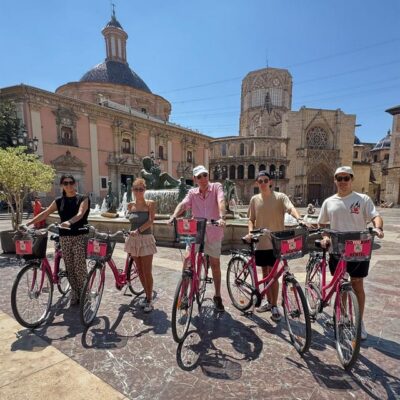
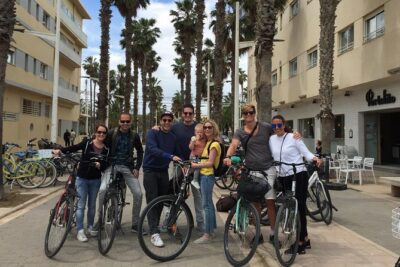
Valencia Bike Tour from the City to the Beach, plus Bike Guy App!
Read our review →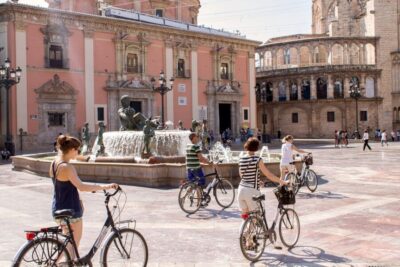
Valencia City Highlights in Guided Bike or E-Bike Tour
Read our review →Browse the lists this tour appears in