
Reviewed · VALENCIA
Valencia: Orange Farm and Orchard Trip with Tastings
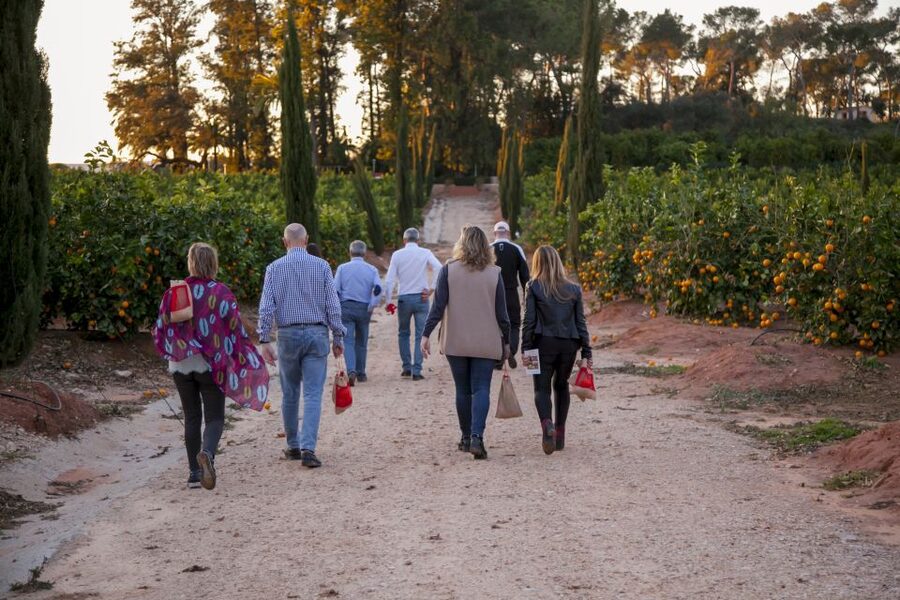
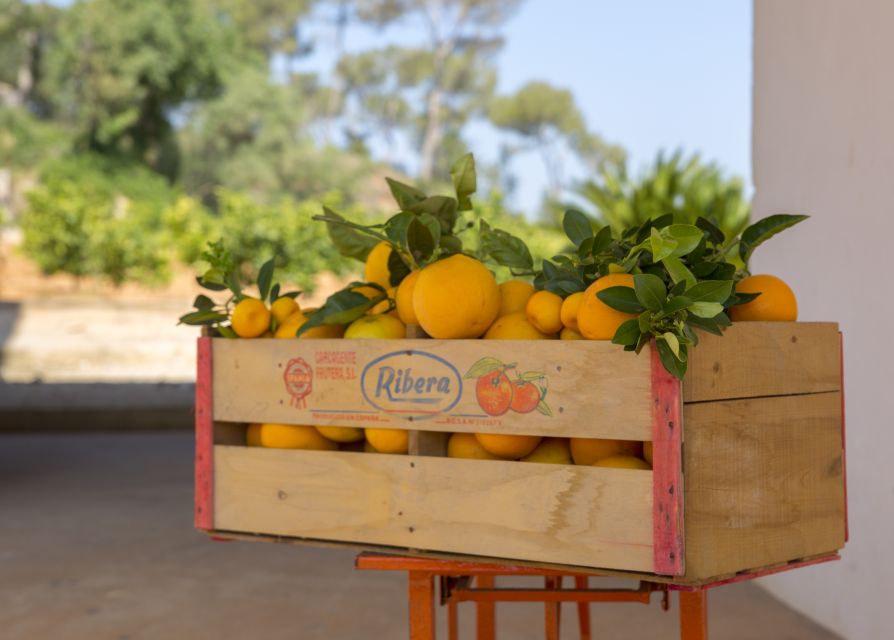
A real reason this works is that you do not just see citrus, you handle it. In Huerto Ribera, outside Valencia, you walk the orange groves, pick fruit to take home (in season), and finish with a proper tasting of Valencian citrus products. Two things I like a lot are the hands-on orange picking and the practical behind-the-scenes look at how oranges get selected and sent to Europe, not just sold in a shop. On top of that, guides like Teresa and Ana E show up with a family-run pride that makes the whole thing feel personal, not scripted.
One thing to consider is logistics. Transportation is not included, and the farm is about 35 km from Valencia. If you are relying on public transport, give yourself buffer time for getting from the train stop to Huerto Ribera, and bring comfortable shoes for the walking.
Key things you will remember from this Huerto Ribera citrus tour
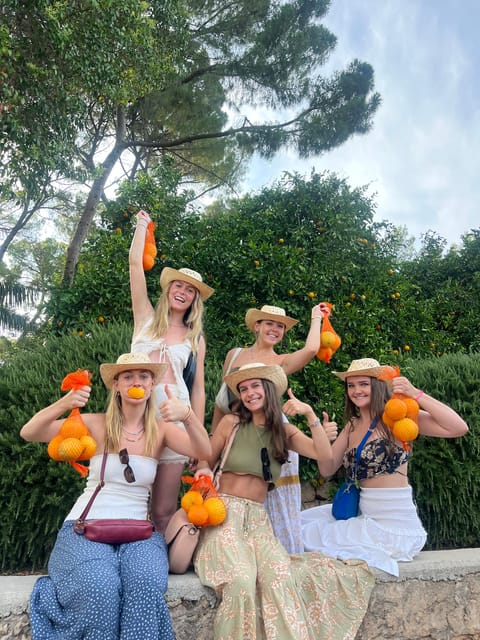
- Pick-your-own oranges to take home when in season, plus a bag included in the specified months
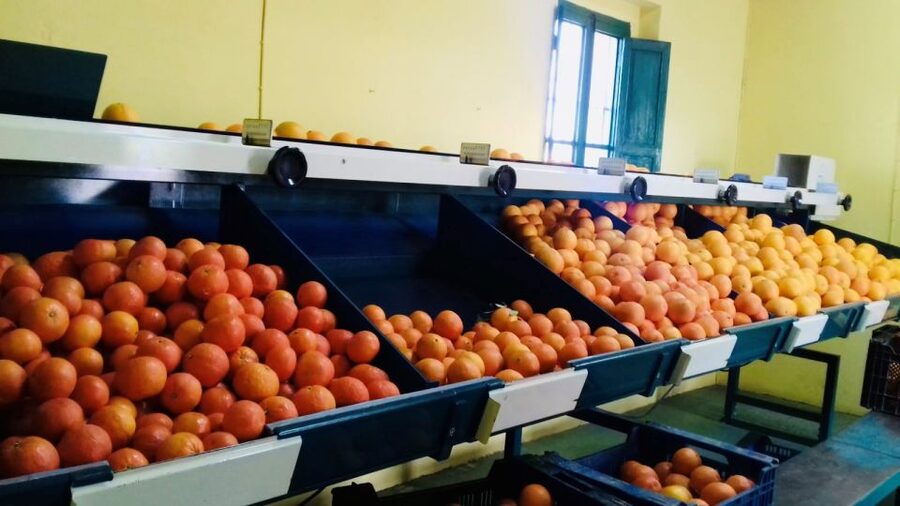
- Orchard-to-warehouse workflow, including how oranges get calibrated and selected at Naranjas Ribera
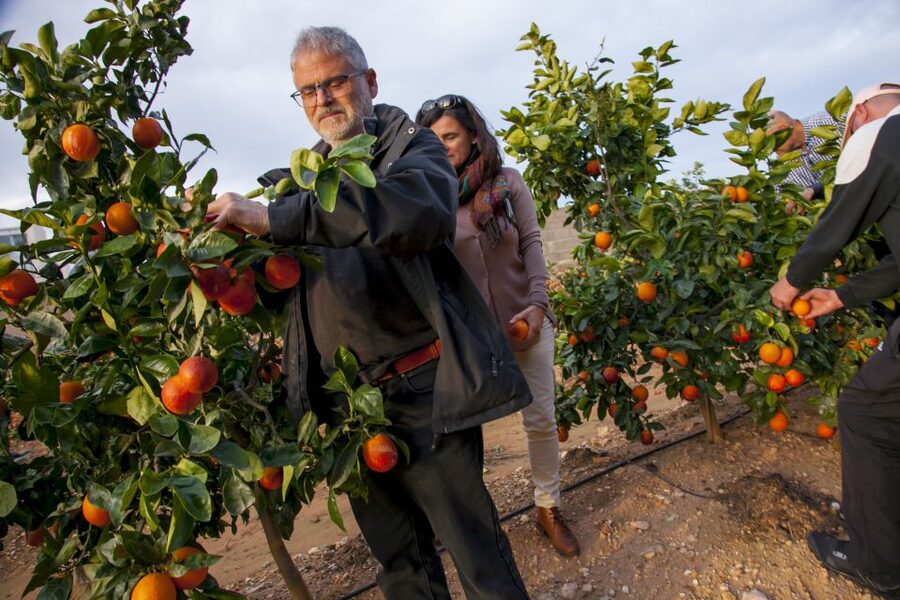
- A walking tour through mixed plantings, where you can spot varieties like Sanguinelli, yuzu, and Buddha’s hand
- Real tastings at the end, including orange juice, orange blossom honey, jams, and Valencian liqueurs
- A venue that feels like a working farm plus a welcoming home base, including gardens around a modernist house
Where the orange crop actually comes to life near Valencia
Carcaixent is often called the orange cradle, and the Huerto Ribera property is a clear reason why. This is not a showroom. It is a working orange farm that has been running since 1870, set in the Valencian countryside about 35 km from the city.
The first thing you notice when you arrive is the setting. The tour starts at Huerto Ribera, a 19th century modernist house, with gardens and orange groves around it. From there, you walk into the fruit trees and learn how citrus is managed. If you like food that has a backstory, this is a solid match, because you get the grown-on-the-ground version of Valencia: pruning, grafting, flowering, seasonal rhythms, and what the grove looks like across the calendar.
Another reason this is worth your time is that the experience does not stop at tasting. You also see how fruit gets handled after harvest. That “farm to selection” part is what turns a nice walk into a more useful experience for you, whether you are a citrus nerd or just a hungry foodie who wants to understand what makes Valencia oranges so good.
If you are expecting wheelchair-friendly, step-free touring, plan differently, since the tour is listed as not suitable for wheelchair users.
More Valencia outings worth an open tab:
- Valencia: Oceanogràfic Entry Ticket
★ 4.7 · 9,893 reviews - Valencia: 24 or 48-Hour Hop-on Hop-off Bus Ticket
★ 3.9 · 5,611 reviews - Valencia: Palosanto Flamenco Show Ticket
★ 4.8 · 3,876 reviews
How the 2-hour schedule feels, from groves to warehouse to tastings
This is a tight, 2-hour tour. That can sound short, but the flow is built to keep you moving and keep each stop meaningful. Here is the order in plain terms, plus what it is good for.
First, you start at Huerto Ribera with the grove walk. You are guided through the orchards and shown the cultivation side of citrus, including pruning and grafting. That matters because it helps you look at the trees as living production systems, not just pretty branches.
Then you move into the picking and selection moments. Depending on the season, you collect your own oranges and you get a closer look at how they are calibrated and chosen for packing. The tour includes the Naranjas Ribera warehouse activity, where you learn how they measure and select oranges before sending boxes across Europe.
Finally, you end with tastings of typical Valencian products. You can expect orange juice, and in season you may find tangerines. The tasting spread also includes Valencian liqueurs, homemade jams, and orange blossom honey.
Because it is only two hours, you will want to focus on the “what and why” questions as you go. The guide will likely cover varieties, flowering patterns, and how the orchard is irrigated. If you ask about what fruit you should buy at the end of the season, you will get better value out of the tasting shop time.
Starting at Huerto Ribera, where the tour begins with groves and cultivation basics

The tour begins at Huerto Ribera in Carcaixent. If you come by car, the meeting point is Polígono Nº 53, 5, 46740 Carcaixent, Valencia, Spain. If you arrive by train from Valencia Nord, the train ride is listed as taking 35 minutes.
Once you are at the property, you start with the orchard and garden walk. This is not just a stroll. You are shown how citrus is traditionally cultivated, and the guide compares what farmers do today versus older methods. You will hear about pruning and grafting, plus flowering and what those stages mean for fruit quality.
One of the smartest parts for you as a visitor is how this changes the way you taste later. When you learn what good growth looks like in the grove, you can better pick up the differences in flavor during tastings. It also makes your orange picking more intentional, since you are not guessing blindly at ripeness.
The pace is group-friendly, with frequent stops for explanations. In past tours, people noted practical comfort touches like restroom access and hand wipes after eating fruit, plus seating if you need a break. In hot months, some visitors reported that hats were provided, which can make a real difference under strong sun.
The citrus variety walk, from Sanguinelli to yuzu to Buddha’s hand
One of the most praised parts of this tour is the variety. You do not just see oranges. You see a mix of citrus and other fruit planted around the orchard.
On the citrus side, the tour highlights varieties including Sanguinelli, Citrus Yuzu, and Buddha’s hand. If you have never tried Buddha’s hand before, it is the kind of citrus that looks more unusual than it tastes first, with a strong aromatic profile. The tour also points out other citrus types such as grapefruit and kumquats, depending on what is planted and what is currently in season.
Then there are the broader orchard fruits, where the list includes avocados, lemons, citron-type varieties, medlars, pomegranates, papayas, and more. That matters because citrus in Valencia is not a single product category. It is a farm system with different trees for different markets, different ripeness windows, and different uses.
If you are traveling with kids, this variety is also a built-in activity. It is hard to get bored when one tree looks like a normal orange grove and the next has fruit shapes and sizes that look completely different. Adults like it too, because each variety becomes a mini lesson on aroma, bitterness, sweetness, and texture.
When your guide points these out, treat it like a tasting pre-game. Pay attention to what they say about flowering and growth stage, because later you will likely taste multiple forms, including juices and processed products.
A different sort of day out in Valencia:
- Valencia: Catamaran Cruise with Sunset Option
★ 4.0 · 3,566 reviews - Valencia Old Town Tour with Wine & Tapas in 11th Century Historic Monument
★ 5.0 · 3,234 reviews - Valencia: Oceanogràfic, Hemisfèric & Science Museum Combo
★ 4.4 · 2,959 reviews - Valencia: City Highlights Guided Bike Tour
★ 4.7 · 2,373 reviews
Picking your own oranges, what you can take home and how to choose
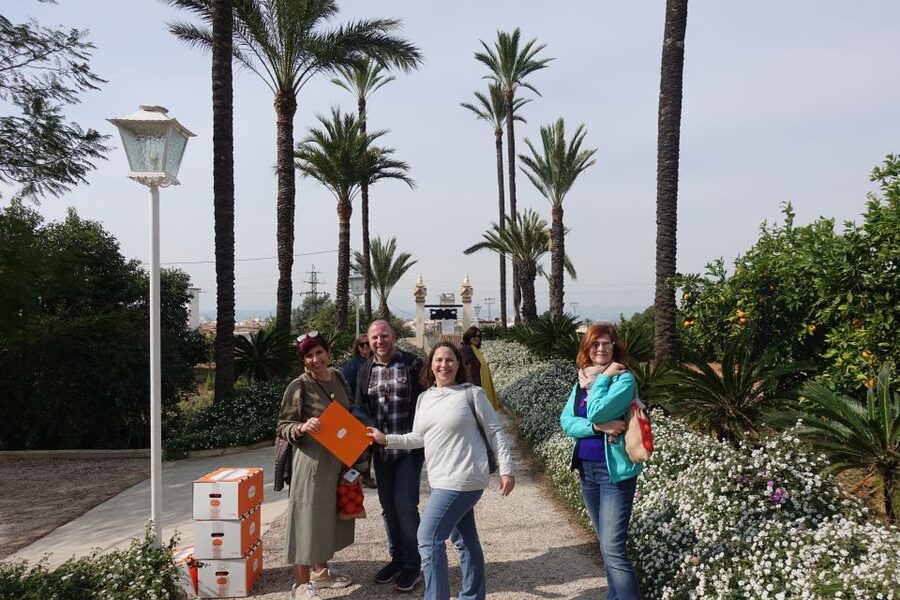
This is the moment most people remember. You collect your own seasonal oranges and take them home. The tour notes picking is in season from October through June, and the included pick-your-own bag is listed specifically as February to June.
That split is important for you. If you are traveling in early winter or late spring, your “pick-your-own” time should still be possible, but the guaranteed included bag may depend on the February-to-June window. If you want to be sure, check your travel month against the included bag timing when you book.
How picking works in practice is simple: you are guided through the trees, then you pick fruit. Past tours also mention that the farm is generous with oranges, which helps a lot if you want to bring citrus to family or plan to juice right away.
Before you start grabbing, use the guide’s cue. Ask which trees they consider ready for eating and which are better for juicing. Even if you are not trying to become a farmer, you will enjoy the fruit more if you pick for the use you want.
Once you take your oranges home, you will likely notice why people do a citrus day trip from Valencia. Fresh oranges taste different than supermarket fruit, especially in aroma and juiciness. One practical idea: if you plan to juice, wash the oranges well and juice soon after you get home, since fresh citrus aroma drops quickly once it sits.
The Naranjas Ribera calibration stop, where fruit becomes a product
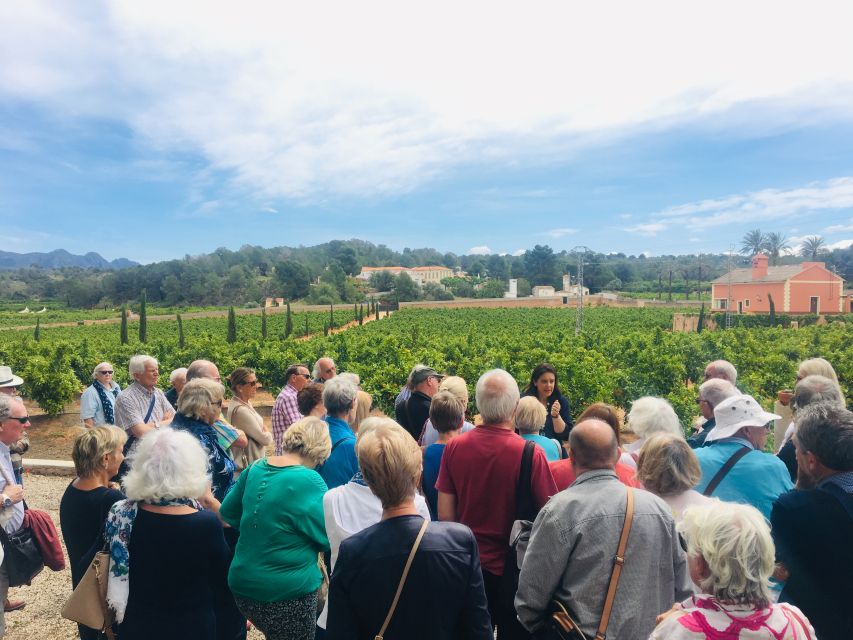
This tour includes a warehouse and selection step at Naranjas Ribera. That is a standout because it explains what happens after fruit leaves the tree.
You will learn how they calibrate and select oranges before shipping. Calibration usually means measuring and sorting fruit based on size and quality, so that the packaged product is consistent for markets across Europe. It is also the moment where the tour stops being only about taste and becomes about standards.
For you, this matters for two reasons. First, it helps you understand why some oranges taste better in one season than another. Second, it changes how you shop later. If you know that fruit gets sorted and selected, you can ask better questions at markets and shops.
This stop also connects to the broader tour theme: traditional cultivation versus modern techniques. You learn how growers manage the grove to produce fruit, then you see how processing keeps it reliable for distribution.
The tour also includes a look at the well that irrigates the orchard. That part is useful even if you do not want to learn irrigation engineering. It gives you the grounding reality of citrus farming in Valencia: water management is not a footnote. It is part of the flavor story.
Tastings of orange juice, liqueurs, jams, and orange blossom honey
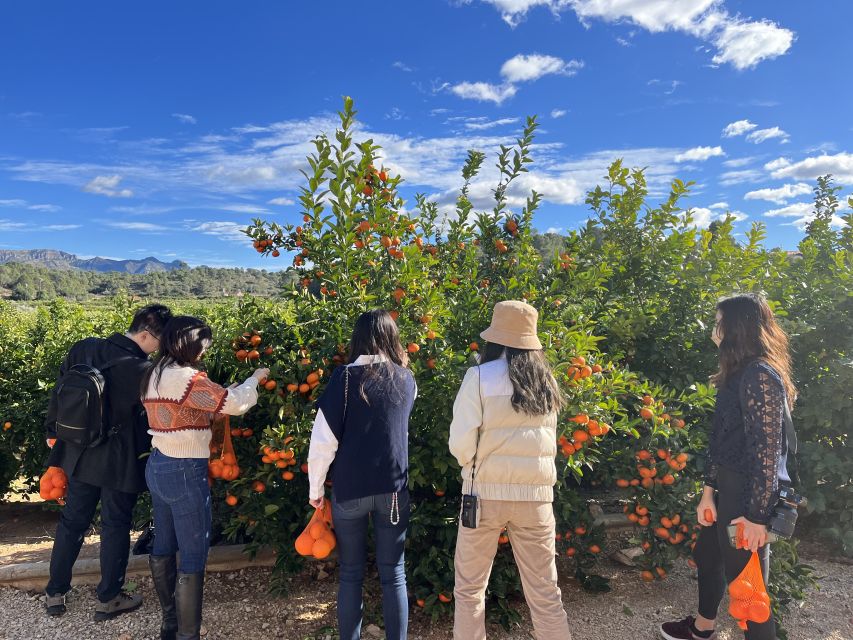
You end with tastings of typical Valencian products, and this is not a token sample. The tour’s tasting list includes orange juice, and in season tangerines. You also try Valencian liqueurs, homemade jams, and orange blossom honey.
In a few accounts, people were greeted at the start with things like lemonade and orange blossom cookies. That kind of welcome matters because it sets expectations: you are not just walking through groves, you are tasting citrus aromatics from the first hour.
Here is how I suggest you approach the tasting so you get more out of it:
- Smell first. Orange blossom honey and citrus-based products show their best qualities in aroma.
- Take one sweet thing, then one less sweet thing. If you only taste sweet products, they start to blur together.
- Ask the guide what each product is best paired with, especially for liqueurs and jams.
Because the tasting includes both drinks (orange juice, possibly lemonade at the start) and preserved products (jams, honey, liqueurs), you get a sense of how Valencia citrus is used. You are tasting the orchard’s flavors in different forms, not just eating a fruit sample.
If you want to buy something to bring home, plan to do it after the tasting so you can match your favorites with something you actually enjoy. Many visitors mention a shop and the ease of taking products away as gifts.
Price and value: what you get for about $35 in 2 hours
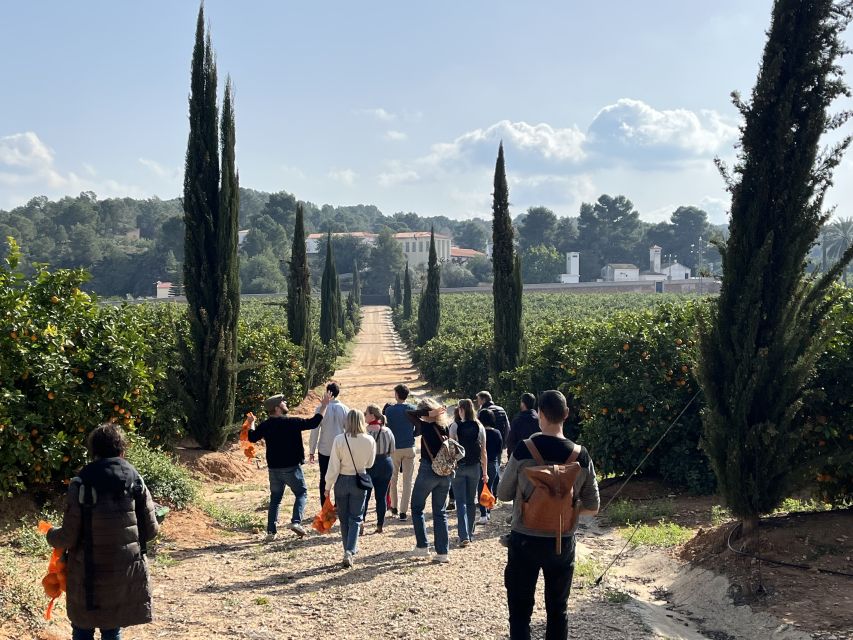
At $35 per person, this tour is priced like a focused, experience-based day trip, not like a long multi-hour excursion. The value comes from the mix of included items.
You get:
- A tour guide
- A pick-your-own bag of oranges in the included months (February to June)
- Tastings of local products
That combo is what drives the price value. If you would otherwise pay for citrus fruit and then also pay for tastings or packaged souvenirs, you can see how the cost can feel fair. And you get the added value of learning how the fruit is grown, sorted, and irrigated, plus seeing unique varieties like yuzu and Buddha’s hand that are not something you just “run into” in a normal market.
Time also helps. In two hours, you get a full arc: grove, picking, selection, tasting. If your Valencia schedule is busy and you want something distinctly Valencian that does not swallow your whole day, this length is a real advantage.
Practical tips that make your orange-farm visit smoother
This tour is simple, but a few practical items will keep it pleasant.
Wear comfortable shoes. The tour involves walking through gardens and orchards. In warm weather, plan for sun. Even though the official guidance is about shoes, people have noted hats in hot-season conditions, which suggests the farm is used to guarding against heat.
Speak up early if you have questions. You will have better answers when the guide can point at the relevant tree, pruning technique, or fruit type while you ask.
If you want the most satisfying picking experience, arrive with one mindset: pick fruit you will actually use. Plan whether you will eat oranges, juice them, or share them. That will guide your choices and reduce the chance you end up with fruit you do not know what to do with.
Lastly, keep transportation in mind. The tour lists that transportation is not included. Build in time to get from Valencia to Carcaixent and then back again after the 2-hour visit. If you are going by train, you have a direct train from Valencia Nord taking about 35 minutes, but you still need to handle the last mile to Huerto Ribera.
Should you book the Huerto Ribera orange farm and orchard tastings?
If you like Valencia beyond paella and old-town streets, I think this is an easy yes. Book it if you want a hands-on citrus experience that includes picking fruit, learning how oranges get calibrated for shipping, and tasting the products you would otherwise only see in a store. It is especially good for families, food lovers, and anyone who likes seeing how agricultural work becomes quality on your plate.
I would hesitate only if you are short on time and you do not want to plan transportation, or if you rely on wheelchair access, since the tour is not suitable for wheelchair users. If those are not your constraints, you are likely to walk away with both memories and edible souvenirs.
FAQ
How long is the Valencia orange farm and orchard trip?
The tour lasts 2 hours.
What is included in the $35 price?
You get a live tour guide, tastings of local products, and a pick-your-own bag of oranges (listed as February to June).
Can I pick oranges to take home, and when?
Oranges can be picked in season from October through June. The included bag for the experience is listed as February to June.
What kinds of foods and drinks are included in the tastings?
The tour includes tastings of typical Valencian products such as orange juice, tangerines (when in season), Valencian liqueurs, homemade jams, and orange blossom honey.
Where do I meet if I’m coming by car?
Meet at Huerto Ribera, Polígono Nº 53, 5, 46740 Carcaixent, Valencia, Spain.
How do I get there by train from Valencia?
The tour notes a direct train from Valencia Nord Station, with a travel time of about 35 minutes.
Is transportation included in the tour price?
No. Transportation is not included.
Is the tour offered in English, and is it wheelchair accessible?
The tour includes a live English guide, and it is listed as not suitable for wheelchair users.
What should I bring, and what about cancellation?
Bring comfortable shoes. The tour offers free cancellation up to 24 hours in advance for a full refund.
Newest Valencia write-ups
- Visit the most beautiful village in Valencia: Chulilla★ 5.0 · 14 reviews
- Valencia: Guided Mountaineering Experience★ 3.7 · 4 reviews
- Windsurf class on Valencia beach★ 4.3 · 4 reviews
- Valencia: Water Beer Bike Tour★ 4.0 · 6 reviews
- Valencia: Gourmet Food & Wine Tour★ 4.2 · 6 reviews
- VALENCIA ESSENZIALE + SITI PATRIMONIO UMANITÀ (ITALIANO)★ 4.7 · 3 reviews
- Valencia: VIP Sunset Cruise in Catamaran with drink★ 4.3 · 12 reviews
- Valencia: Visit by boat to the Caves of Sant Josep★ 5.0 · 3 reviews